How Long Do Solar Panels Last?
How long do solar panels last? The U.S. Environmental Protection Agency says solar panels typically have a lifespan of more than 25 years, and the most common type, crystalline silicon, is expected to last 25 years or longer. They don’t simply stop working one day. Their output slowly drops with age, while parts like the inverter may need attention sooner.
How long do solar panels last on a house?
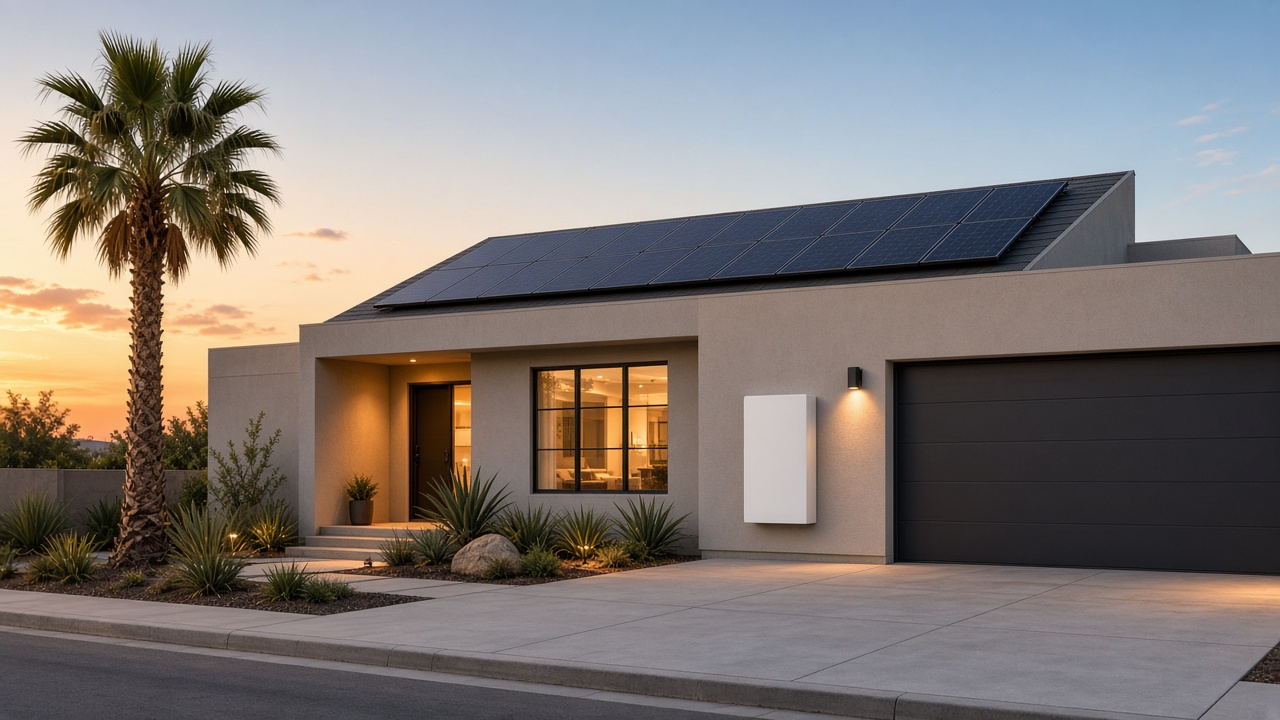
Most rooftop panels are built to last at least 25 years, and many keep producing well beyond that. The EPA’s page on end of life solar panels puts the typical lifespan at more than 25 years and notes that crystalline silicon modules, the kind on most homes, are expected to last 25 years or longer.
That number is a planning figure, not an expiration date. It’s the reason so many panel warranties are written around a 25 year window. Your own panels may do better or worse depending on the product, the climate, and how well the system was installed.
Do solar panels stop working after 25 years?
No. Panels usually keep making electricity after the 25 year mark, just at a lower output than when they were new.
Every panel loses a little production as it ages. It happens gradually, which is why manufacturers put a performance warranty in writing. That warranty states how much of the original output the panel should still deliver after a set number of years. Ask each installer to show you that figure for the exact panel on your quote, so you can compare like with like.
Which parts of a solar system wear out first?
Usually not the panels. The supporting equipment tends to have shorter warranties, so it’s smart to plan for it.
| Part | What to check on your quote | Why it matters |
|---|---|---|
| Solar panels | Product warranty and performance warranty length | Covers defects and guaranteed output over time |
| Inverter or microinverters | Warranty length, and whether it matches the panels | Often covered for a shorter term than the panels |
| Battery (if any) | Warranty years and any energy throughput limit | Battery warranties are written differently than panel warranties |
| Racking and roof penetrations | Workmanship warranty from the installer | Leaks and loose mounts are installation issues, not panel issues |
| Your roof | Age and remaining life of the shingles or tiles | Removing and reinstalling panels for a reroof adds cost |
The roof deserves a close look. If yours is near the end of its life, ask about replacing it before the panels go up. It’s a lot easier than taking a working system down later.

What solar panel warranties should you look for?
Look for three separate warranties: a product warranty, a performance warranty, and a workmanship warranty. Each one covers something different, and a strong quote spells out all three.
- Product warranty. From the panel maker. Covers defects in the panel itself.
- Performance warranty. Also from the maker. Promises a minimum share of the original output after a set number of years.
- Workmanship warranty. From the installer. Covers the installation, including roof penetrations and wiring.
A warranty is only as useful as the company behind it, so ask who handles claims if the installer closes. Our list of questions to ask a solar installer before you sign covers this, and the guide on how to read a solar quote shows where warranty terms usually appear on the page.
How can you make solar panels last longer?
Start with a good installer, then keep an eye on your production. Most of what protects a system happens on install day, not years later.
- Hire a licensed, experienced local installer. Clean wiring, sealed roof penetrations, and solid racking prevent most long term problems. You can find solar installers near you by state and city.
- Watch your monitoring app. A sudden drop in daily production is often the first sign that something needs service.
- Keep the panels clear. Trim branches that shade or scrape the array. If panels need cleaning, use the method in the manufacturer’s manual or hire a pro instead of climbing on the roof.
- Keep your paperwork. Save the warranties, the installer’s contact details, and the equipment model numbers in one place.
- Call the installer early. Small issues like a loose connector are cheaper to fix than the damage they can cause.
Does a lease or loan change how long your panels last?
The panels last the same either way. What changes is who is responsible for repairs and what happens when the contract ends.
With a lease or power purchase agreement, the company that owns the system usually handles maintenance, but the details are in the contract. If you buy, the warranties are yours to use and the upkeep is up to you. Our comparison of solar lease vs buy walks through how each option handles this.
What happens to solar panels at the end of their life?
They get replaced, then recycled or disposed of under federal and state rules. Some panels contain metals that can make them hazardous waste, so they shouldn’t go in household trash.
The EPA advises homeowners to contact their state or local recycling agencies about disposal, and a few states have their own solar panel programs. When the time comes, ask your installer how they handle old panels as part of any replacement job.
Ready to compare options for your home? Request free quotes from local installers and ask each one about panel lifespan and warranties.
FAQ
Can solar panels last 30 years?
Many can. The EPA describes the typical lifespan as more than 25 years, and panels usually keep producing after that, just at lower output. How long yours last depends on the product, your climate, and the quality of the installation. The performance warranty tells you the minimum output the maker guarantees.
Do solar panels lose efficiency over time?
Yes, slowly. Every panel produces a little less each year as it ages. The change is gradual, not sudden, which is why panel makers include a performance warranty that promises a minimum share of the original output after a set number of years. Compare that figure across quotes.
How long does a solar inverter last compared to panels?
Inverters are often warrantied for a shorter term than panels, so many homeowners should plan for the chance of replacing one during the system’s life. Check the inverter warranty on each quote. Some systems use microinverters with their own warranty terms, so ask the installer to explain what is covered.
Do solar panels need a lot of maintenance?
Not usually. Most systems need little more than a regular look at the monitoring app, clearing nearby branches, and occasional cleaning if dirt builds up. Follow the manufacturer’s manual for cleaning, avoid climbing on the roof yourself, and call your installer if production drops suddenly.
New book:
DIY Off-Grid Solar, Start to Finish.
Off-grid only, written for beginners who want to do the work carefully.
Kindle, $4.99 through New Year's: instant digital download. Paperback, $29.99: 370+ pages, 120+ diagrams, full-size 8.5 x 11 printed copy.